Understanding Turbocharger Failure Symptoms
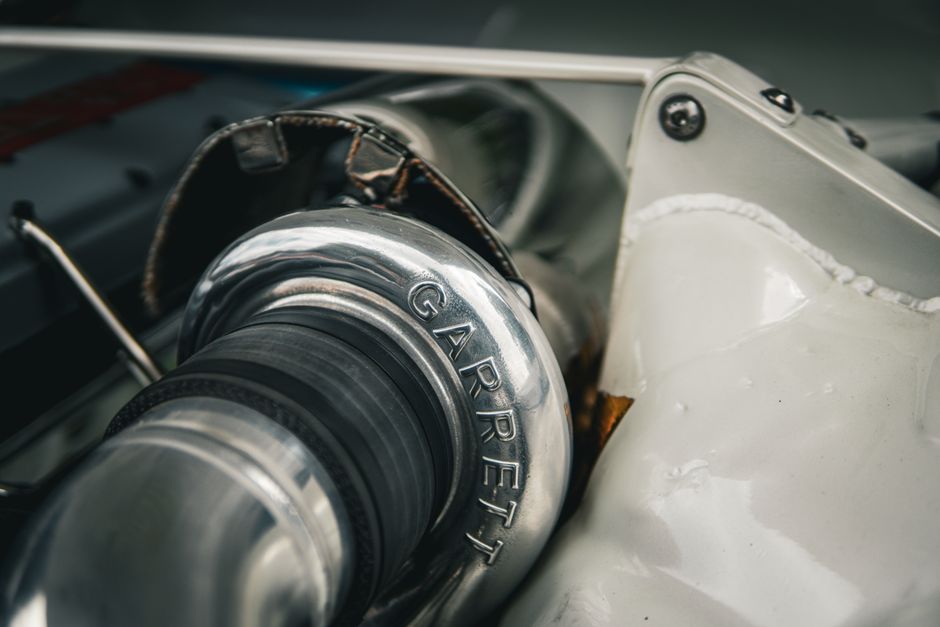
Turbochargers are precision components that increase engine efficiency by forcing more air into the combustion chamber. Over time, these components can experience wear due to heat, friction, and contamination. Recognizing the early symptoms of turbocharger failure can help vehicle owners and technicians address issues before they lead to more extensive damage. This article outlines common indicators of turbocharger wear, potential causes, and general repair considerations.
Understanding how a turbocharger operates provides a foundation for identifying anomalies. A turbocharger consists of a turbine and a compressor connected by a shaft. Exhaust gases spin the turbine, which drives the compressor to pressurize intake air. This process relies on precise tolerances and proper lubrication. When any part of this system degrades, performance and reliability may be affected. Being aware of subtle changes in vehicle behavior can facilitate timely intervention.
The information presented here is for educational purposes and does not replace professional inspection. Turbocharger issues can stem from multiple factors, and symptoms may overlap with other engine problems. Therefore, a systematic diagnostic approach is essential. The following sections describe typical signs, possible causes, and repair pathways without asserting guaranteed outcomes.
Common Symptoms of Turbocharger Wear
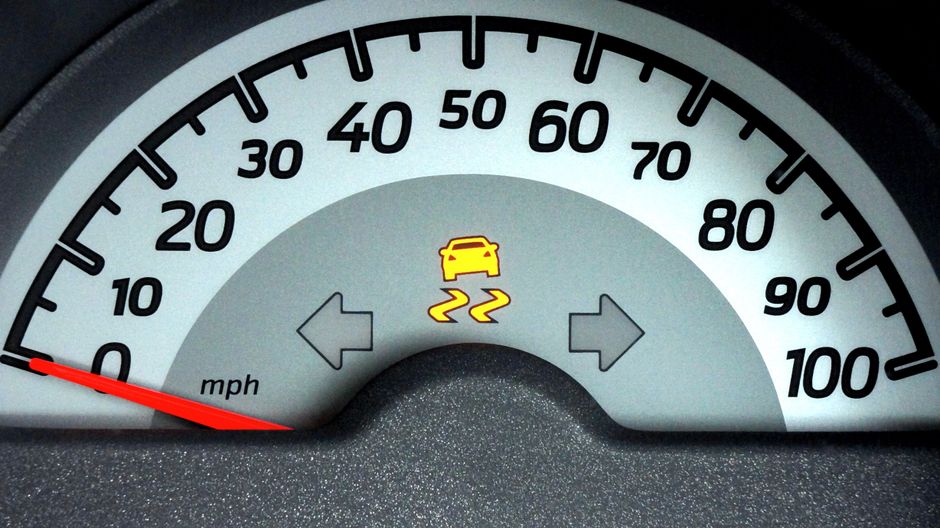
One of the most frequently reported symptoms is a noticeable decrease in engine power, particularly during acceleration. This may manifest as sluggish response or a lack of expected thrust when merging or climbing inclines. Such power loss can occur gradually, making it easy to overlook until it becomes pronounced. In some cases, the engine may enter a limp mode to protect itself from further damage. This reduction in performance often correlates with the turbocharger’s inability to produce adequate boost pressure.
Unusual noises emanating from the engine bay can also indicate turbocharger distress. These sounds may include a high-pitched whine, a siren-like wail, or a grinding rattle. Whining often suggests bearing wear or imbalance, while grinding may point to contact between rotating and stationary parts. Such noises typically vary with engine speed and can be more noticeable during spool-up or deceleration. Ignoring these auditory cues may allow the condition to worsen.
Another symptom is the presence of excessive smoke from the exhaust. Blue smoke often indicates oil entering the exhaust stream, which can happen if turbo seals fail. White smoke may suggest coolant intrusion, though this is less common with turbochargers alone. Black smoke typically relates to an overly rich air-fuel mixture, which can occur if the turbocharger is underboosting. Each color provides a clue, but proper diagnosis requires further testing.
Increased oil consumption without visible leaks is another potential sign. The turbocharger’s bearings and seals rely on a steady supply of clean oil. When these components wear, oil may seep into the intake or exhaust, leading to gradual loss. Vehicle owners might notice the need to add oil more frequently between changes. This symptom alone does not confirm turbo failure, as other engine issues can cause similar consumption.
Potential Causes of Turbocharger Degradation
Several factors contribute to turbocharger wear. One primary cause is inadequate lubrication, often resulting from low oil levels, degraded oil, or restricted oil flow. The turbocharger operates at high temperatures and speeds, making it dependent on a consistent oil film to prevent metal-to-metal contact. When lubrication is compromised, bearings can wear rapidly, leading to shaft play and seal failure. Regular oil changes and using the correct oil specification are fundamental preventive measures.
Contaminants such as dirt, debris, or metal particles can also damage the turbocharger. These may enter through the intake system if the air filter is not properly maintained, or they may circulate in the oil if the filter is clogged or bypassed. Once inside, abrasive particles can erode compressor and turbine wheels, disrupting balance and efficiency. Ensuring clean air and oil pathways is critical for longevity.
Overheating is another common culprit. Turbochargers are exposed to extreme exhaust gas temperatures, and prolonged high-load operation can cause thermal stress. If the engine is shut down immediately after heavy use, oil circulation stops while the turbo is still hot, potentially cooking the oil and forming deposits. These deposits can block oil passages and accelerate wear. Allowing the engine to idle briefly before shutdown can help mitigate this risk.
Mechanical issues such as a malfunctioning wastegate or variable geometry mechanism can also lead to turbo problems. A stuck wastegate may cause overboost or underboost, putting stress on the turbo and engine. Variable geometry turbos, common in modern vehicles, have intricate vanes that can become carbon-fouled over time. This can result in sluggish boost response or erratic performance. Diagnosing these issues often requires specialized equipment and expertise.
Diagnostic Approaches for Turbocharger Issues
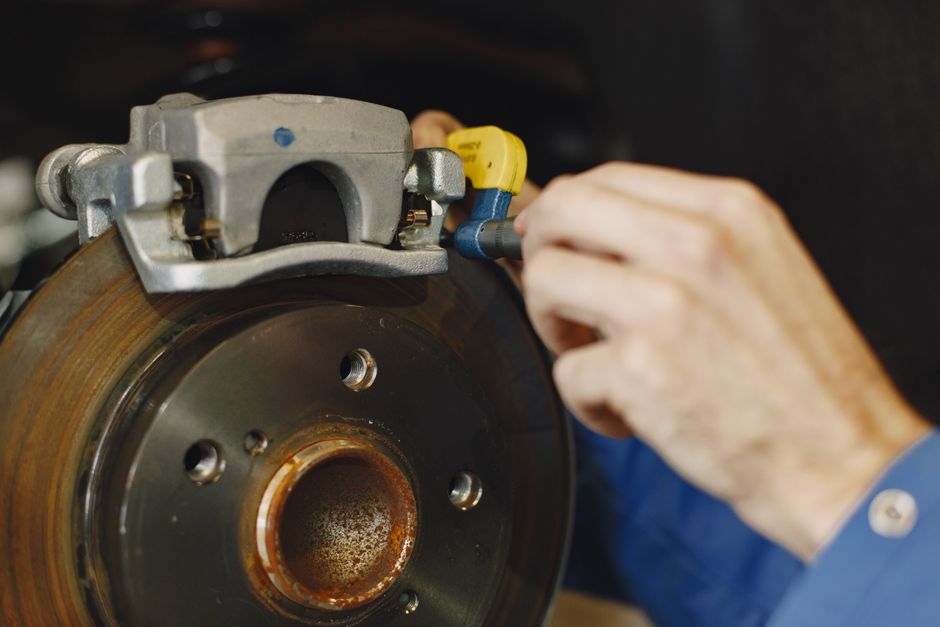
When symptoms are observed, a systematic diagnostic process can help pinpoint the cause. Technicians typically start with a visual inspection of the turbocharger and related components. This includes checking for oil leaks, loose connections, and damaged hoses. They may also inspect the compressor and turbine wheels for signs of contact, erosion, or buildup. A thorough examination can reveal obvious defects that explain the symptoms.
Listening to the turbocharger using a stethoscope or electronic probe can help isolate unusual noises. By comparing sounds at different engine speeds, technicians can determine whether the noise originates from the turbo or another accessory. Additionally, checking shaft play by removing the intake or exhaust piping provides a tactile assessment of bearing condition. Excessive radial or axial movement indicates wear that may require replacement.
Electronic diagnostics play a significant role in modern vehicles. Scan tools can retrieve fault codes related to boost pressure, wastegate operation, or sensor malfunctions. Live data streams allow technicians to monitor boost pressure, air mass, and other parameters under various conditions. Discrepancies between commanded and actual boost can point to turbo issues. However, codes alone are not definitive; they must be correlated with physical inspections.
In some cases, a boost leak test is performed to rule out leaks in the intake system. Leaks can mimic turbo failure by causing power loss and poor performance. By pressurizing the intake tract and listening for escaping air, technicians can identify compromised connections or cracked components. This step is crucial before condemning the turbocharger itself. A comprehensive diagnostic approach avoids unnecessary replacements.
Repair Options and Considerations
Repair options for turbocharger issues vary depending on the extent of damage and the specific vehicle model. In minor cases, such as a failed wastegate actuator or a leaking oil line, replacing the faulty component may suffice. However, if the turbocharger has sustained internal damage, replacement or rebuild is often necessary. Rebuilding involves disassembling the unit, replacing worn parts, and rebalancing the assembly. This can be a cost-effective alternative to a new turbo, but it requires specialized skills and equipment.
Remanufactured turbochargers are another option. These units are professionally rebuilt to original specifications and often come with a warranty. They can offer a balance between cost and reliability. When selecting a replacement, it is important to consider the quality of parts and the reputation of the supplier. Motor Trust emphasizes the importance of using components that meet or exceed manufacturer standards to help ensure proper fit and function.
Regardless of the repair path, addressing the root cause is critical to prevent recurrence. For example, if oil starvation caused the failure, the oil supply system must be inspected and corrected. Similarly, if contamination was a factor, the intake and oil systems should be cleaned. Failing to do so may lead to premature failure of the new or rebuilt turbo. A holistic approach to repair helps protect the investment.
After repairs, proper break-in procedures and maintenance are advised. This may include oil and filter changes at shorter intervals initially, as well as avoiding high-load operation for a specified period. Following the manufacturer’s guidelines for warm-up and cool-down can also extend turbo life. Regular maintenance checks thereafter help monitor for any recurring symptoms. It is important to note that outcomes depend on various factors, including driving habits and operating conditions.
Early detection of turbocharger symptoms can provide more options for repair and may reduce the likelihood of secondary engine damage. However, each situation is unique, and professional assessment is recommended.
Preventive Maintenance Practices
Preventive maintenance is key to maximizing turbocharger lifespan. This begins with adhering to the vehicle manufacturer’s recommended oil change intervals and using the specified oil grade. High-quality oil that meets industry standards provides better protection against wear and deposit formation. Regularly checking oil levels and addressing any leaks promptly helps maintain proper lubrication.
Maintaining a clean air intake system is equally important. Replacing air filters at recommended intervals prevents dirt and debris from entering the turbocharger. Inspecting intake hoses and clamps for cracks or looseness can avoid unfiltered air from bypassing the filter. For vehicles with variable geometry turbos, occasional cleaning of the vanes may be necessary to prevent carbon buildup, though this should be performed by a qualified technician.
Driving habits also influence turbo longevity. Allowing the engine to idle for a minute before shutdown after aggressive driving helps circulate oil and cool the turbo. Avoiding sudden throttle applications when the engine is cold reduces stress on the turbo during warm-up. These simple practices can contribute to extended service life. Vehicle owners should consult their owner’s manual for specific recommendations.
Regular professional inspections can catch minor issues before they escalate. A technician can assess turbo health during routine service visits, checking for shaft play, oil leaks, and boost performance. Catching early signs may allow for simpler repairs and avoid more extensive damage. Staying informed about potential symptoms empowers owners to seek timely assistance.